


Sea Lanes Brighton
- + Target audience research and segmentation
- + Marketing strategy & planning
- + Website design, development and management
- + Content production and strategy
- + Social media strategy and management
Challenge
A proposed development was presented to the public following an expression of interest from Brighton & Hove City Council to develop an area of Madeira Drive. However, with uncertainties about viability due the wider redevelopment of the area still not being finalised, the development stalled.
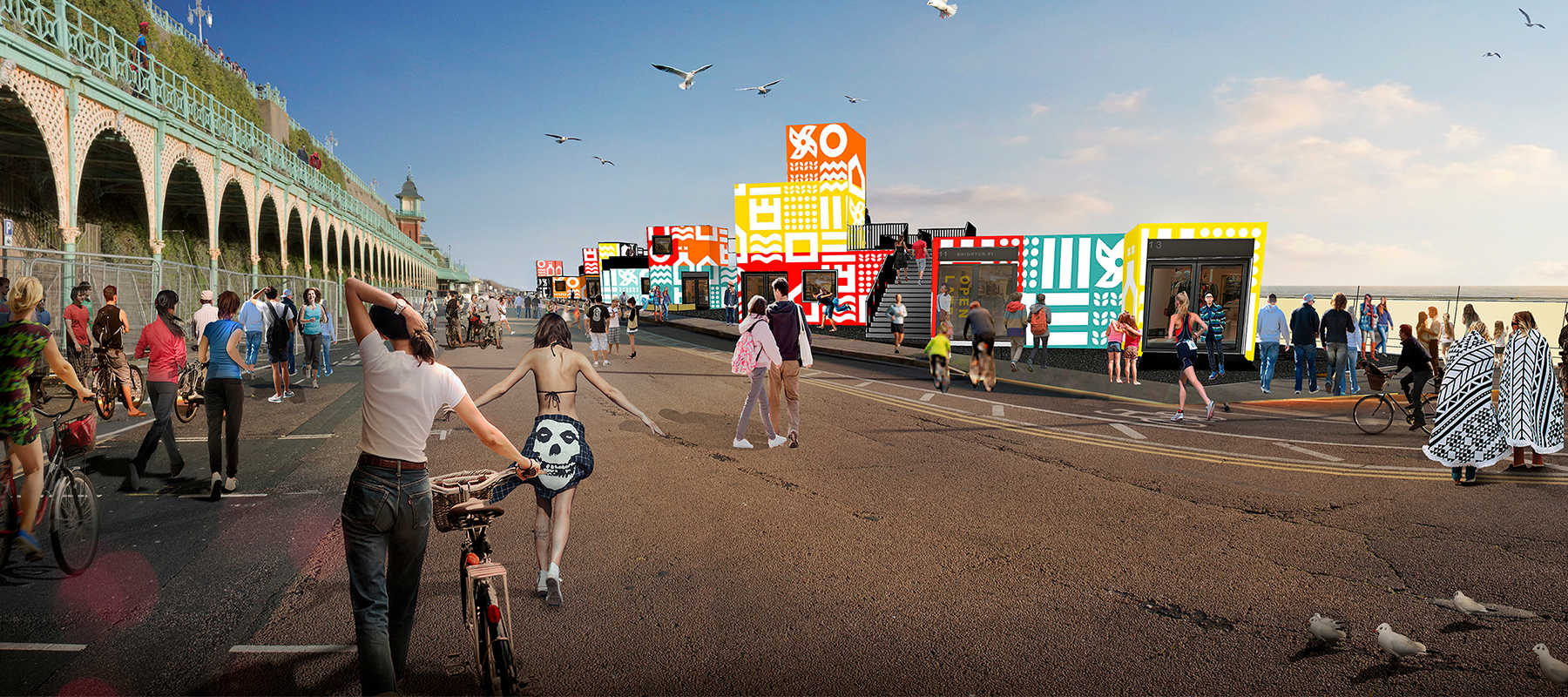
Sea Lanes Brighton was determined to bring additional swimming facilities to the city and reworked the scheme to provide a 25m swimming pool on the beach. This scheme would be meanwhile but if it proved to be viable it would be replaced by a permanent 50m pool as originally planned.
The challenge for Annex was to effectively communicate why the development had changed, why the pool had been reduced from 50m and what was meant by meanwhile development – all whilst gaining public support for the scheme as it sought planning permission.
Solution
Annex worked closely the Sea Lanes Brighton team to design a phased cross-channel communication plan that maximised on the available budget. The plan culminated in the unveiling of the plans just before they were submitted to the Planning Committee. There was already a great deal of excitement and support for the scheme, which grew exponentially with the unveiling of the plans and visuals.
We galvanised this support through a public consultation survey to understand their feedback on the plans and if they supported the scheme. We received 550 responses to the survey from local residents and business of which 90% stated that they fully supported the scheme. This data as well as information captured through digital and social channels was invaluable to the statement of community interest submitted to the planning comittee.
When the application open to public comment we activated those that had already expressed support for the scheme and of the comments logged 84% of them were supportive.
Respondants to the public consultation survey.
90% of respondants fully supported the scheme.